
You are here: Home
The European Union remains one of the world’s most ambitious political and economic projects-an evolving union built on the pursuit of peace, prosperity, and shared sovereignty. As the EU moves through the second half of the 2020s, it confronts a dense web of internal pressures and external threats. These ten major challenges, reflecting developments up to 31 January 2026, shape the Union’s capacity to remain cohesive, competitive, and influential. How the EU responds will determine the trajectory of European integration for decades to come.
1. The Geopolitical and Security Landscape
The War in Ukraine and European Security
The war in Ukraine remains the EU’s most urgent geopolitical challenge. By early 2026, the front lines have shifted but the conflict persists, demanding sustained military, financial, and humanitarian support for Kyiv. The EU’s efforts to expand joint procurement, replenish ammunition stocks, and strengthen the European Defence Industrial Strategy highlight a growing recognition that Europe must assume greater responsibility for its own security. Yet divergences among member states on defense spending, arms deliveries, and long‑term strategic commitments continue to complicate unified action.
Energy Security and Strategic Vulnerability
Despite major progress in reducing dependence on Russian fossil fuels, energy security remains a central concern. The EU’s accelerated shift toward renewables, expanded LNG infrastructure, and strengthened interconnections have improved resilience. However, exposure to global LNG price volatility, slow permitting for renewable projects, and uneven national energy strategies still pose risks. Balancing affordability, sustainability, and security remains a delicate and politically charged task.
2. Relations with China, the United States, and the Quest for Strategic Autonomy
The EU’s relationship with China has grown more complex, marked by economic interdependence, strategic rivalry, and targeted de‑risking measures. Trade tensions-particularly in electric vehicles, critical minerals, and green technologies-have intensified debates over industrial policy and fair competition.
Simultaneously, the transatlantic relationship remains essential but occasionally strained. Differences over industrial subsidies, digital regulation, and global trade governance persist. The EU’s pursuit of “strategic autonomy” aims to reduce vulnerabilities without severing ties, but achieving consensus among 27 member states on foreign policy alignment remains a formidable challenge.
3. Internal Cohesion and Democratic Integrity
Rule of Law and Democratic Backsliding
Safeguarding democratic norms continues to be a defining internal challenge. While some progress has been made through conditionality mechanisms and judicial rulings, concerns persist regarding judicial independence, media freedom, and political interference in several member states. These tensions undermine trust, complicate budget negotiations, and test the EU’s credibility as a defender of democratic values.
Euroscepticism and Political Fragmentation
Eurosceptic and nationalist parties have strengthened their influence across Europe, reshaping political landscapes and coalition dynamics. Economic anxieties, cultural debates, and disinformation campaigns fuel skepticism toward Brussels. The 2024 European Parliament elections reinforced the need for the EU to address citizens’ concerns more directly, particularly on cost of living, migration, and security.
4. Migration and Asylum Reform
The New Pact on Migration and Asylum, adopted in late 2023 and entering implementation phases through 2024-2025, represents a major attempt to balance solidarity and responsibility. Yet by early 2026, challenges remain acute:
Migration continues to be a flashpoint in national politics, complicating efforts to build a coherent, humane, and sustainable system.
5. Economic Competitiveness and Technological Sovereignty
The EU faces intensifying competition from the United States and China in artificial intelligence, semiconductors, biotechnology, and green technologies. The Inflation Reduction Act in the U.S. and China’s industrial dominance has prompted the EU to expand state‑aid flexibility, strengthen the Net‑Zero Industry Act, and accelerate investment in strategic sectors.
Inflation has eased from its 2022-2023 peaks, but high interest rates, sluggish growth, and uneven productivity continue to weigh on competitiveness. Coordinating fiscal policy within the reformed Stability and Growth Pact remains a delicate balancing act.
6. The Green Transition and Climate Neutrality
The European Green Deal remains the EU’s flagship long‑term project, but implementation challenges have intensified:
Achieving climate neutrality by 2050 requires sustained political commitment, social cushioning for affected regions, and credible financing mechanisms. The EU’s leadership in global climate diplomacy also depends on maintaining internal momentum.
7. Institutional Reform and Enlargement Readiness
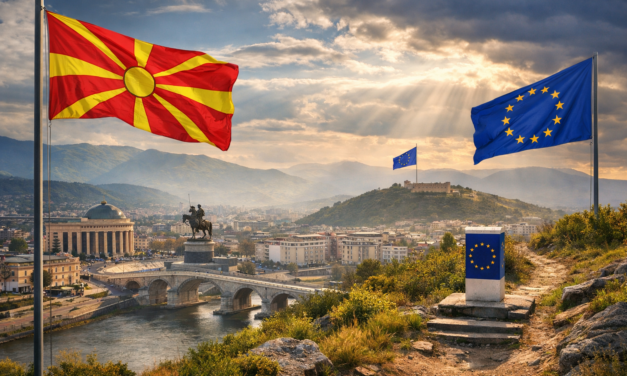
With Ukraine, Moldova, Georgia, and the Western Balkans advancing toward EU membership, enlargement has returned to the top of the agenda. Yet the EU’s current institutional architecture-especially unanimity requirements in foreign policy, taxation, and enlargement-risks paralysis if not reformed.
Key debates include:
While political will for enlargement is growing, agreement on institutional reform remains elusive.
8. Long‑Term Fiscal Sustainability
The EU faces mounting fiscal pressures:
Reforming the Multiannual Financial Framework (MFF) to reflect new priorities requires politically sensitive decisions on contributions, taxation, and spending. Balancing national sovereignty with collective ambition remains a central tension.
Conclusion
As of 31 January 2026, the European Union stands at a pivotal moment. External threats-from war to economic rivalry-demand unity and strategic clarity, while internal pressures test the Union’s democratic foundations and social cohesion. Successfully addressing these ten major challenges will require political courage, institutional innovation, and a renewed commitment to solidarity.
References:
https://www.cogitatiopress.com/politicsandgovernance/article/download/2126/1215
https://www.nature.com/articles/s44168-024-00141-1
https://www.sciencedirect.com/science/article/pii/S0094576524004995
https://www.sciencedirect.com/science/article/pii/S0740624X2300062X
The prospect of a comprehensive Free Trade Agreement (FTA) between the European Union (EU) and India, hypothetically signed on January 26, 2026, represents a monumental shift in global economic geography. As two of the world's largest economic blocs, with the EU being a consolidated market of advanced economies and India a rapidly expanding powerhouse, such an agreement promises deep integration. FTAs are designed to eliminate or significantly reduce barriers to trade and investment, fostering economic growth. However, the reality of such a complex negotiation involving diverse economic structures, political sensitivities, and regulatory frameworks means that the benefits are often accompanied by significant challenges. This essay will explore ten distinct merits and ten corresponding demerits arising from this hypothetical 2026 EU-India FTA, analyzing the potential economic, social, and political ramifications for both partners.
Ten Merits of the EU-India FTA 2026
The primary allure of this FTA lies in the substantial economic uplift it promises. The first major merit is Increased Market Access for EU Goods and Services. European manufacturers, particularly in sectors like automobiles, pharmaceuticals, and precision machinery, stand to benefit immensely from the expected elimination of high Indian tariffs, some of which currently exceed 25 percent. This directly translates to lower consumer prices in India and higher export volumes for the EU.
Second, the agreement would drive Enhanced Investment Flows and Certainty. An FTA typically includes robust chapters on investment protection, intellectual property rights (IPR), and dispute resolution. For European multinational corporations, this guarantees a more predictable and secure environment for long term capital commitments in India's burgeoning infrastructure and digital economy, stimulating job creation in both regions.
Third, there would be a Boost to Indian Services Exports. India’s strength lies in its vast pool of English-speaking, skilled professionals, particularly in Information Technology Enabled Services (ITES) and business process outsourcing (BPO). The FTA is likely to include provisions liberalizing Mode 4 (temporary movement of natural persons), making it easier for Indian professionals to secure temporary work visas in the EU, capitalizing on Europe’s demand for tech expertise.
Fourth, the agreement facilitates Greater Regulatory Convergence and Transparency. To harmonize standards, both sides would be compelled to align certain technical regulations and customs procedures. This lowers the compliance burden for exporters on both sides, streamlining supply chains. For instance, mutual recognition agreements for certain certifications could significantly cut down on time-to-market.
Fifth, the FTA offers Lower Consumer Prices in India. The reduction of tariffs on essential European imports, such as high-end electronics, specialized medical equipment, and certain luxury goods, makes them more affordable for the expanding Indian middle class, increasing purchasing power.
Sixth, a key merit is the Strengthening of Global Supply Chain Resilience. In a post pandemic and geopolitically fragmented world, formalizing a trade relationship between the EU and India diversifies sourcing away from overreliance on single geographic areas. This strategic decoupling benefits European companies seeking reliable alternatives for semi-conductors or active pharmaceutical ingredients.
Seventh, the FTA would foster Technological Transfer and Innovation. European investment often comes bundled with proprietary technology and best practices. This influx of advanced know how, particularly in areas like green energy technology and advanced manufacturing, can significantly upgrade India’s industrial base, boosting productivity across sectors.
Eighth, Enhanced Cooperation on Sustainability and Climate Goals is a likely component. Given the EU’s ambitious Green Deal, the FTA would likely embed commitments regarding environmental standards, sustainable sourcing, and renewable energy cooperation, pushing India towards cleaner industrial practices sooner than might otherwise occur.
Ninth, the agreement provides Increased Opportunities for Small and Medium Enterprises (SMEs). While large corporations dominate headlines, the standardization of customs procedures and the creation of dedicated SME support chapters within the FTA can lower the barrier to entry for smaller firms looking to participate in international trade, fostering entrepreneurial activity.
Tenth, finally, the FTA signifies a Geopolitical Alignment and Strategic Partnership. By deepening economic ties, the agreement solidifies the EU and India’s shared interest in upholding multilateral rules based international order, serving as a counterbalance to rising protectionism globally.
Ten Demerits of the EU-India FTA 2026
Despite the substantial advantages, the path to realizing these gains is fraught with challenges, manifesting as significant demerits. The most immediate concern is the Threat to Sensitive Indian Industries. Sectors in India that are heavily protected, such as dairy farming and certain segments of the textile industry, face intense competitive pressure from highly subsidized and efficient European counterparts. A rapid influx of high quality, cheap European dairy products, for example, could devastate small scale Indian dairy farmers.
Second, there is significant apprehension regarding Erosion of Policy Space for Industrial Policy in India. The stringent rules on State Aid and public procurement within the FTA might severely restrict the Indian government’s ability to use subsidies or preferential buying to nurture nascent domestic industries, a strategy historically employed by developing economies.
Third, Intellectual Property Rights (IPR) Enforcement Concerns raise alarms, particularly in public health. European pharmaceutical lobbies often push for extended patent protections. If the FTA mandates strict adherence to EU IPR standards, it could significantly increase the cost of essential medicines in India, limiting access for the millions who rely on affordable generic drugs.
Fourth, the agreement poses a risk of Increased Vulnerability to Unfavorable Investor State Dispute Settlement (ISDS) Rulings. While designed for protection, ISDS mechanisms often allow foreign investors to sue governments for policy changes that negatively affect their profits, potentially chilling necessary public interest regulations in areas like environmental protection or public health.
Fifth, there is the challenge of Harmonization of Labor and Environmental Standards. While the EU seeks to export its high standards, critics argue that aggressive enforcement could increase operational costs for Indian businesses, making them less competitive in the short term, especially for export oriented manufacturing.
Sixth, the FTA may exacerbate Rising Income Inequality. The immediate beneficiaries are likely to be large Indian corporations with the capital and expertise to navigate complex EU markets. Meanwhile, import competition could lead to job losses in less efficient domestic sectors, widening the gap between the skilled, globally connected workforce and the rest.
Seventh, the agreement creates Negotiation Strain on Services Liberalization (Mode 4). Despite the perceived benefits, the EU often remains highly restrictive on genuine labor mobility, fearing a surge in low skilled migration. If the provisions for Indian professionals remain overly bureaucratic or limited in scope, this key area of Indian advantage will remain largely untapped.
Eighth, there is the issue of Loss of Tariff Revenue for the Indian Government. Tariffs act as an important source of revenue for developing nations. Reducing or eliminating these duties, even if offset by increased trade volumes, creates short term fiscal pressures that need careful management, potentially requiring cuts in essential public spending.
Ninth, the FTA could lead to Domination of the Indian Retail Sector by European Chains. With reduced barriers, large European retail conglomerates could rapidly expand their presence in India, threatening the survival of millions of traditional, small scale neighborhood retailers who form the backbone of Indian commerce.
Tenth, a final demerit involves the Complexity of Implementation and Monitoring. Such a vast and detailed agreement requires sophisticated administrative capacity for enforcement, monitoring rules of origin, and resolving complex trade disputes. If either side lacks the necessary institutional capacity, the agreement might function poorly, leading to frustration and underutilization of its potential benefits.
Conclusion
The hypothetical Free Trade Agreement between the EU and India, effective in 2026, represents a defining moment in 21st century global economics. The ten merits highlight a pathway toward significant mutual prosperity through market expansion, enhanced investment security, and technological exchange. However, the ten demerits serve as a crucial counterbalance, underscoring the real risks of sectoral disruption, potential constraint on domestic policy autonomy, and widening social disparities. The success of such an agreement hinges not merely on its signing, but on the meticulous, calibrated implementation that prioritizes transitional support for vulnerable sectors in India while ensuring that the EU respects India’s need for developmental space. If managed with foresight and sensitivity to domestic constituencies on both sides, the FTA could indeed become a cornerstone of global trade; otherwise, it risks becoming a source of deep economic friction.
As of early 2026, the European Union stands at a decisive moment where rapid technological acceleration demands equally adaptive, anticipatory, and enforceable policy frameworks. Several breakthrough technologies-once experimental-are now entering mainstream deployment, compelling EU institutions and member states to refine existing regulations or craft entirely new governance models. These innovations span digital governance, industrial transformation, sustainability, and security. Understanding these ten transformative drivers is essential for grasping the EU’s policy trajectory in 2026, ensuring competitiveness while safeguarding fundamental European values.
With the AI Act entering its initial enforcement phase in 2025, 2026 marks the year when compliance shifts from preparation to operational reality. Regulators are now focusing on high‑risk AI applications, particularly biometric identification, critical infrastructure management, and algorithmic decision‑making in public services. The Commission’s new AI Office, operational since late 2025, is issuing technical guidance and coordinating cross‑border enforcement, pushing member states to harmonize supervisory practices.
Although large‑scale quantum advantage remains years away, 2026 has brought intensified EU action on post‑quantum cryptography (PQC). Following the 2025 Council conclusions on quantum resilience, the EU is finalizing mandatory PQC migration timelines for public-sector systems and critical industries. National security agencies are accelerating joint assessments of quantum‑enabled espionage risks, making quantum preparedness a core element of the EU’s digital sovereignty agenda.
While 5G densification continues, the EU’s 6G Strategic Roadmap, published in late 2025, is now guiding early regulatory planning. Policymakers are addressing ultra‑low latency requirements for autonomous mobility, industrial robotics, and remote surgery. Spectrum coordination discussions-particularly around the upper mid‑band and sub‑THz ranges-are intensifying ahead of the 2027 World Radiocommunication Conference. Infrastructure investment mandates and cross‑border corridor planning are becoming central to the 2026 connectivity agenda.
Breakthroughs in CRISPR‑based therapies and climate‑resilient crops have accelerated the EU’s ongoing revision of its biotechnology framework. The Commission’s 2025 proposal on New Genomic Techniques (NGTs) is now in trilogue negotiations, with 2026 expected to deliver a harmonized regime balancing innovation with ethical oversight. Medical gene editing, meanwhile, is prompting new EU‑level safety assessment protocols and cross‑border clinical trial coordination.
The rollout of Digital Product Passports (DPPs) under the Ecodesign for Sustainable Products Regulation has expanded significantly in 2026. Electronics, batteries, textiles, and construction materials are now entering mandatory DPP compliance phases. This shift is forcing manufacturers to adopt interoperable data‑sharing systems, track material provenance, and document repairability and recyclability. The EU is preparing additional delegated acts to extend DPP requirements to more product categories by 2027.
Large‑scale green hydrogen production-supported by the 2025 revision of the Renewable Energy Directive and new cross‑border hydrogen corridors-has become a central industrial policy priority in 2026. The EU is finalizing updated subsidy frameworks under the Important Projects of Common European Interest (IPCEI) mechanism, while grid operators are negotiating new rules for hydrogen‑electricity system integration. These developments are essential for meeting the bloc’s 2030 climate targets and reducing reliance on imported fossil fuels.
The proliferation of Decentralized Autonomous Organizations (DAOs) across finance, creative industries, and supply‑chain management has intensified regulatory debate. The Commission’s 2025 consultation on digital organizational forms has evolved into a 2026 legislative initiative exploring legal personality, liability, and transparency obligations for DAOs operating within the single market. Financial regulators are also assessing how DAOs intersect with MiCA and AML rules.
Successors to GAIA‑X have matured into a more cohesive European Cloud Federation, with 2026 marking the first year of large‑scale public‑sector adoption. New interoperability standards, published in late 2025, are now being implemented to ensure data portability, vendor neutrality, and GDPR‑aligned access controls. The EU is also strengthening procurement rules to reduce strategic dependence on non‑EU cloud providers while maintaining competitive neutrality.
XR technologies-now widely used in manufacturing, education, and workforce training-are prompting the EU to update digital rights frameworks. The 2026 policy agenda includes new guidelines on sensory data privacy, digital identity in immersive environments, and labor protections for workers operating in XR‑mediated workplaces. Questions of digital ownership, virtual asset taxation, and cross‑platform interoperability are becoming central to the EU’s emerging “metaverse governance” approach.
Geopolitical tensions and escalating cyberattacks have pushed the EU to expand its cybersecurity posture beyond NIS2. In 2026, the Commission is finalizing rules requiring Software Bills of Materials (SBOMs) for all publicly procured digital tools, alongside enhanced vetting of hardware components in critical sectors. The new EU Cyber Solidarity Initiative, launched in 2025, is now operational, providing rapid response capabilities and cross‑border threat intelligence sharing.
These ten innovations illustrate a rapidly evolving policy landscape in the European Union as of January 2026. The regulatory focus is shifting from foundational rule‑making to complex, sector‑specific enforcement, particularly in AI, quantum security, biotechnology, and cybersecurity. At the same time, the EU is deepening its commitment to digital sovereignty, sustainability, and industrial resilience. The Union’s success will depend on its ability to legislate with foresight, coordinate across member states, and uphold fundamental rights while enabling technological leadership in an increasingly competitive global environment.
Bibliography
References:
https://www.mdpi.com/3042-4658/2/4/30
https://www.intechopen.com/chapters/89281
https://pmc.ncbi.nlm.nih.gov/articles/PMC11111971/
https://ecipe.org/publications/eu-export-of-regulatory-overreach-dma/
By 31 January 2026, the European Union continues to position itself as one of the world’s most ambitious environmental regulators. Its legal architecture-spanning climate mitigation, biodiversity protection, industrial emissions, and circular economy reforms-has become increasingly stringent as the bloc works toward its 2030 and 2050 climate objectives. Recent geopolitical pressures, energy market volatility, and climate‑driven disasters have accelerated the EU’s determination to enforce and update its environmental rules. These ten influential regulations illustrate how deeply environmental governance now shapes economic planning, industrial investment, and daily life across the Union. Understanding these instruments is essential for interpreting the EU’s policy trajectory in 2026.
The WFD remains the backbone of EU water policy, requiring all water bodies to reach “good ecological status.” By early 2026, several member states face infringement proceedings for failing to meet river basin targets, prompting renewed investment in wastewater treatment, agricultural runoff controls, and urban stormwater systems. The 2024–2025 drought cycles in Southern Europe have intensified pressure to accelerate compliance and adopt more resilient water‑management strategies.
These two directives continue to anchor EU biodiversity protection. As of 2026, the Natura 2000 network covers more than 18% of EU land and 10% of marine areas. Enforcement has tightened: the European Court of Justice has issued multiple rulings against member states for illegal logging, habitat degradation, and insufficient species protection. Infrastructure and renewable energy developers now face stricter ecological impact assessments, especially for wind and solar projects located near sensitive habitats.
Air quality enforcement has intensified following the 2024 revision aligning EU limits more closely with WHO guidelines. Several major cities—including Paris, Milan, and Warsaw—are under binding clean‑air orders after repeated exceedances of particulate matter and nitrogen dioxide thresholds. Low‑emission zones, diesel restrictions, and expanded public transport investments have become central to urban policy across the Union.
The IED continues to drive modernization in heavy industry. The 2025 update introduced stricter Best Available Techniques (BAT) requirements for steel, cement, chemicals, and waste‑to‑energy plants. By 2026, industries are accelerating electrification, carbon capture pilots, and process redesigns to comply with new emission benchmarks. Non‑compliant installations face escalating penalties and, in some cases, forced closure.
The ETS remains the EU’s flagship climate instrument. As of 2026:
The Carbon Border Adjustment Mechanism (CBAM), in its transitional phase, is already reshaping global supply chains as exporters adapt to EU carbon reporting requirements.
The ESR sets binding national targets for sectors outside the ETS. By 2026, member states are under pressure to accelerate emissions reductions in agriculture, waste, and heating. Several countries have updated building codes, expanded heat‑pump subsidies, and introduced methane‑reduction strategies for livestock. Compliance gaps remain a political flashpoint, particularly in Central and Eastern Europe.
RED III, adopted in 2023 and reinforced through 2025, mandates a binding EU‑wide renewable energy share of at least 42.5% by 2030, with a 45% aspirational target. By 2026:
The directive is now central to the EU’s energy‑security strategy following the 2022–2024 energy crisis.
The EU’s circular economy agenda has accelerated. Amendments adopted through 2024–2025 introduced:
By 2026, member states are implementing digital product passports, reshaping supply chains and consumer expectations.
REACH remains one of the world’s most comprehensive chemical safety regimes. The ongoing 2025-2026 reform package aims to streamline risk assessment, accelerate restrictions on endocrine disruptors, and improve data transparency. Thousands of substances face new scrutiny, prompting manufacturers to substitute hazardous chemicals and invest in safer alternatives. Enforcement actions have increased, particularly regarding imported goods that fail to meet EU standards.
As of 31 January 2026, these ten regulations—spanning water protection, biodiversity conservation, air quality, industrial emissions, climate mitigation, renewable energy, circular economy reforms, and chemical safety—form a cohesive and increasingly stringent environmental governance system. Their evolution reflects the EU’s determination to build a resilient, low‑carbon, resource‑efficient economy despite geopolitical and economic pressures. Collectively, they continue to reshape infrastructure planning, industrial investment, and consumer behaviour across the Union, reinforcing the EU’s role as a global leader in environmental regulation.
European Commission. The European Green Deal. COM(2019) 640 final. Brussels: European Commission, 2019.
European Commission. Fit for 55 Package: Legislative Updates 2023–2025. Brussels: European Commission, 2025.
European Environment Agency (EEA). Air Quality in Europe — 2025 Report. Copenhagen: EEA, 2025.
European Parliament and Council. Ambient Air Quality Directive (Directive 2008/50/EC). Official Journal of the European Union, 2008.
European Parliament and Council. Birds Directive (Directive 2009/147/EC). Official Journal of the European Union, 2009.
European Parliament and Council. Effort Sharing Regulation (Regulation (EU) 2018/842). Official Journal of the European Union, 2018.
European Parliament and Council. EU Emissions Trading System (Directive 2003/87/EC and subsequent amendments). Official Journal of the European Union, 2003–2025.
European Parliament and Council. Habitats Directive (Directive 92/43/EEC). Official Journal of the European Union, 1992.
European Parliament and Council. Industrial Emissions Directive (Directive 2010/75/EU). Official Journal of the European Union, 2010.
European Parliament and Council. REACH Regulation (Regulation (EC) No 1907/2006). Official Journal of the European Union, 2006.
European Parliament and Council. Renewable Energy Directive (RED III) (Directive (EU) 2023/2413). Official Journal of the European Union, 2023.
European Parliament and Council. Waste Framework Directive (Directive 2008/98/EC) and subsequent amendments. Official Journal of the European Union, 2008–2025.
European Union. Natura 2000: State of the Network 2025. Luxembourg: Publications Office of the European Union, 2025.
References: